
Find the real gap, pressure point, workflow, and conditions the learning has to work inside.
Leadership
I lead by seeing the system, naming the gap, and building the structure people need to do the work well.
My leadership style sits between strategy and execution. I can see the 30,000-foot view, write the vision, align the right people, and then stay close enough to the work to make sure the system is usable, not just well-intended.
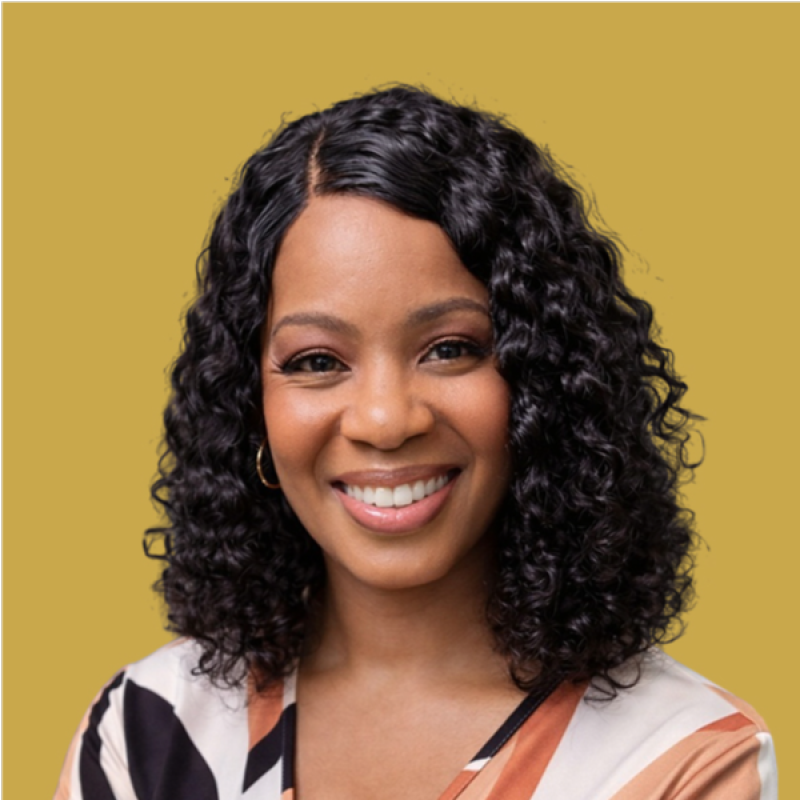
RN, BSN
Healthcare learning leader
Clinical credibility, operational judgment, people-first coaching, and program infrastructure.
Core principles
The way I lead: see the system, align the people, build the structure.
These principles show up across onboarding, service quality, clinical learning, manager capability, AI adoption, and workforce development work.
How I think
My leadership lens
I do my best work when I can move between the big picture and the details: strategy, people, systems, and real-world execution.
Put SMEs, managers, facilitators, business owners, and learners in the parts of the work they can own best.
Turn scattered needs into direction people can understand, repeat, and carry forward.
Create the intake, matching, materials, communication flow, reinforcement, tracking, and follow-through.
Watch how the work lands in real life, not just whether the deliverable launched.
Look for readiness, clarity, behavior, adoption, decision-making, and results.
I start with the real work.
I do not build from the requested deliverable alone. I look at the workflow, audience, stakes, behavior gap, and environment the learning has to survive in.
I build with people, not around them.
Strong learning systems are collaborative. I work alongside the people closest to the work while keeping the broader strategy visible.
I measure whether the work actually changed.
Completion matters, but the stronger question is whether the work improves readiness, clarity, behavior, adoption, or decision-making.
The type of leader I am
Strategic enough to set direction. Close enough to make it work.
I lead best where there is complexity, movement, and a need for structure. I like work that requires judgment: finding the pattern, clarifying the priority, bringing the right people in, and building something the organization can actually use.
Systems builder
I create the operating structure behind learning, onboarding, adoption, and workforce development.
People-first coach
I help people practice the work, not just understand the content.
Healthcare translator
I connect clinical, payer, compliance, operational, and learner realities so the solution fits the environment.
Collaborative operator
I work alongside the people closest to the work while keeping the broader strategy visible.
What it feels like to work with me
I bring strategy, steadiness, and follow-through to the work.
I see around corners.
I can anticipate where a learning, onboarding, or adoption process may break down before it becomes a bigger problem.
I work alongside people.
I am not interested in imposing a solution from a distance. I like being close enough to the work to make the system practical.
I build for real life.
I think about whether the work will actually hold up in a busy, regulated, people-dependent healthcare environment.